A Rewatch for Character Choices, Not Plot Clues
A rewatch for character choices reveals what a film’s people value: track small decisions, the pressure behind them and how later scenes alter their meaning.
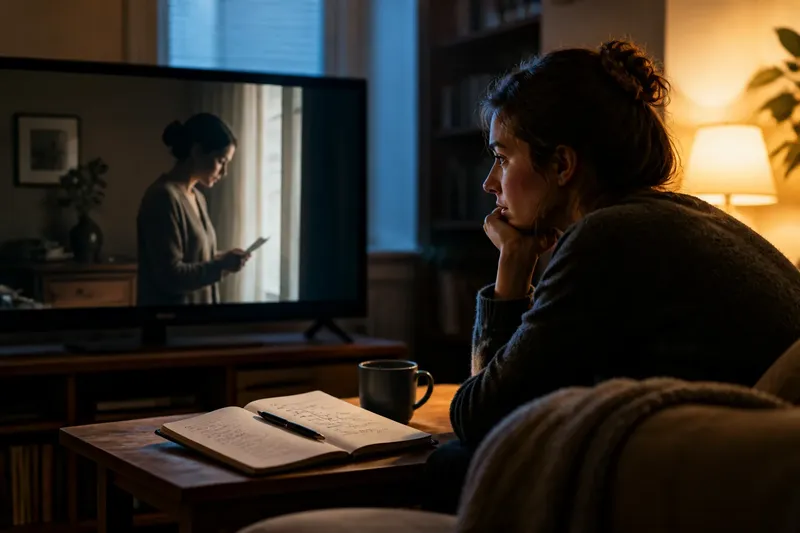
You remember the locked door, the missed train and the final answer, but not quite why the main character hesitated before opening a letter. A rewatch for character choices shifts attention from what happens next to those small decisions: what a person notices, avoids, offers or refuses when the film gives them room to choose.
This is not a test of how well you remember the plot. Pick one character and follow their priorities through one film. The aim is to see how their actions change under pressure, not to catch clues that reveal a hidden answer. A few common viewing habits can get in the way; each has a simple adjustment.
Are you following the plot instead of the person?
On a first viewing, it is natural to track practical questions: Who has the key? Where is the child? Will the meeting happen in time? Those questions keep the story legible, but on a rewatch they can pull your attention towards events and away from the decisions that make them personal.
Choose one character before pressing play. You do not need to ignore everyone else, but give this person the main share of your attention. In each scene, notice what they do when they could act another way: they answer a question with a joke, let someone else take the blame, or stay after the room begins to empty.
Do not try to record every gesture. Mark only choices that seem to cost the character something, such as comfort, approval, time or trust. A decision matters less because it is dramatic than because another option was available.
Keep one simple question in mind: what does this person protect, even when doing so makes their life harder?
Do you keep guessing what a choice means?
A character’s action can support several readings. A silence might be fear, courtesy, resentment or a deliberate refusal. If you settle on one explanation at once, you may turn the rewatch into a hunt for evidence that confirms your first impression.
Separate the observable action from your interpretation. Jot down “puts the envelope in a drawer” before writing “does not want to confront the sender”. The first is something the film shows; the second is a reading that later scenes may strengthen or unsettle.
Then look at the immediate circumstances. Who is present? What has just been said? Does the character have time to answer, or are they responding under pressure? A choice can reveal a priority without telling you everything about the person. Someone may value honesty and still conceal a fact to spare a friend.
Say you are rewatching an invented family drama. A daughter offers to carry a box upstairs instead of answering her father’s question. The action is visible; its reason is still open. If she later returns to the question when they are alone, that change gives you a more grounded reading than the first gesture alone.
Are you treating every small action as a clue?
Once you start looking for choices, ordinary business can seem loaded. A character sets down a cup, checks a coat pocket or glances at the window. Some of these details carry meaning; many simply help a scene feel lived in. Not every movement is a coded message from the film.
Look for a pattern rather than an isolated sign. Does the character repeatedly give up the best seat, avoid asking for help or redirect conversation towards another person? A repeated preference is more revealing than one unexplained glance, especially when the behaviour appears in different settings.
Notice variation too. A character who shares food freely at home but guards it at work may be adapting to different conditions, not behaving inconsistently. Ask what has changed around them before deciding what the contrast means.
Leave a question mark beside details you cannot place. If the film never returns to them, they may not belong to the character pattern you are tracing. Letting some moments remain ordinary is part of attentive viewing.
Does the character seem inconsistent from scene to scene?
A choice that appears out of character can make a rewatch feel confusing. The usual cause is comparing actions without comparing their pressures. People behave differently when a choice is public, costly or witnessed by someone whose opinion they value.
For each apparent contradiction, ask what the character stands to lose in that scene. A person may be generous in private and stingy in front of a rival; they may speak plainly to a sibling but soften the truth with a child. These differences can point to competing priorities rather than a broken characterisation.
Also notice whether the character has learned something. A refusal early in the film may become an offer later, not because the earlier choice was false but because the character’s understanding or circumstances have shifted. The important question is not simply whether they changed. It is what experience made a different action possible.
Try comparing the two scenes in sequence. Name the earlier choice, the later one and the pressure between them. If you cannot identify a changed circumstance, relationship or cost, keep your interpretation provisional rather than forcing a neat explanation.
What should you watch for in a rewatch for character choices?
How do I choose a character to follow?
Start with the person whose decisions seem to redirect the story, even if they are not the lead. If several characters compete for attention, follow one whose actions you remember but whose reasons remain unclear.
Should I pause to take notes?
Usually, a brief note after a scene is enough: the choice, the available alternative and what it may protect. Pausing repeatedly can break the rhythm of a performance, so save longer thoughts until the film ends.
What if a character has very little dialogue?
Watch where they place themselves, what they make time for and whether they accept or refuse help. Keep the interpretation close to what the scene makes observable, since silence alone does not specify a motive.
How can I tell whether my reading fits the film?
Check whether the same priority helps explain choices in more than one scene, including a moment that complicates your view. If it accounts for only one gesture, treat it as a possibility rather than a settled explanation.
Do your notes become a second plot summary?
It is easy to write down events in order: the character arrives, argues, leaves. That record may preserve the plot while missing the point of the rewatch. A useful note captures the decision inside the event.
Use a compact three-part line: choice, alternative, apparent priority. For instance: “stays for the awkward conversation; could leave with the others; values being present over avoiding embarrassment.” The last part is an interpretation, so phrase it cautiously. You can revise it later.
Keep notes to moments that alter your understanding. A character may make many small choices without each one deserving a line. If you notice yourself writing down every movement, return to the question of what the person seems unwilling to sacrifice.
After the film, reread the notes in order. Look for a shift, a repeated compromise or a priority that stays firm despite changing circumstances. You do not need to reduce the character to a single trait. A useful reading can hold two needs in tension: wanting independence while seeking approval, or valuing loyalty while fearing exposure.
How can you keep the rewatch focused?
Before starting, choose one character and one open question about their priorities. During the film, note only consequential choices, the alternatives available and the pressure in the scene. Afterward, arrange those moments in order and ask what changed.
This rewatch for character choices works best when it leaves room for uncertainty. A film may show what someone does more clearly than why they do it, and a performance may keep several motives alive at once. Keep the action, your interpretation and any later revision distinct.
Next time, choose a different character in the same film. Their decisions may make familiar scenes feel newly arranged, not because the plot has changed, but because you are watching who makes room for whom.